

Summer Heat Training: Triathlete Edition

Run in the Heat = Run Stronger

Summer miles feel brutal—and sweaty. But those hot runs? They’re doing more than boost your grit: they trigger real physiological changes that supercharge your training and race-day performance.

🩺 What’s Happening Inside

After around 10 days of heat training—mixing hot runs with post-session saunas or baths—your body adapts big time. Your plasma volume spikes, your heart pumps more efficiently, and you start sweating earlier and more effectively

Why That Matters for Triathletes

Better hydration, better blood flow, and better thermoregulation don’t just help your run—they carry over to bike and swim legs, too . Plus, the perks stick—meaning you’ll feel stronger even on cooler race mornings.

Quick & Easy Heat Plan

Here’s a smart 2‑week plan:

  1. 5 hot runs—early morning or midday with light gear
  2. 3 post-run saunas or baths (30–40 min each)
  3. Stay hydrated & check electrolytes
  4. Keep hard workouts easy‑moderate at first to avoid heat strain

Pro-tip: Passive Heat Works

Research shows passive heat (like sauna after runs) is powerful. One study had endurance athletes soak 30–40 min, 3–4×/week, giving gains in VO₂ max and heat tolerance—without extra workouts.

Safety First

  • Start slow: lighter runs or shaded routes
  • Monitor your heart rate
  • Cool down if you feel dizzy or nauseous
  • Avoid adding heat when you’re sick—your body’s already stressed

🧭 Bottom Line

Smart summer heat training—run in the heat, hit a sauna post-run, hydrate well—takes about 10–14 days, and delivers massive triathlon benefits: more blood, better cooling, and stronger performance across swim, bike, and run—whether it’s July sun or October chill.
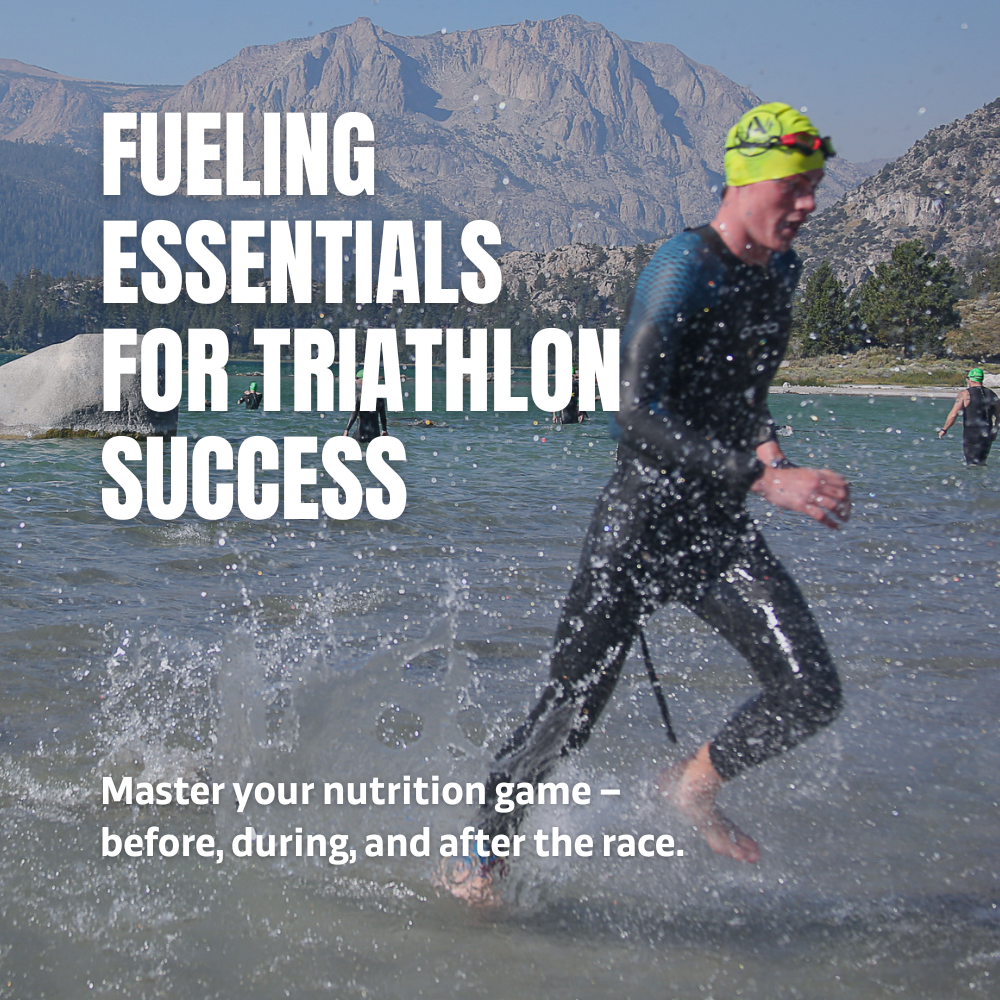
triathlon fueling

Fueling Essentials for Triathletes

Your guide to energy, hydration, and performance on race day

Whether you’re toeing the start line for your first sprint triathlon or your tenth long course, proper fueling is just as critical as your swim, bike, and run training. Nutrition can make or break your race—but with the right strategy, it becomes your fourth discipline.

🥗 Pre-Race: Building Your Foundation

In the days leading up to your event, focus on balanced meals rich in complex carbohydrates, lean proteins, and healthy fats. Think: oatmeal, sweet potatoes, rice bowls, lean meats, and vegetables. This isn’t the time to experiment—stick with foods your body knows and tolerates well. Hydrate consistently in the 48–72 hours before race morning.

Race Morning Tip:
A light, carb-rich meal 2–3 hours before the start helps top off glycogen stores. Try a bagel with peanut butter, bananas, or a rice cake with honey. Sip 12–16 oz of water or an electrolyte drink in the hour leading up to your swim.


🚴 On the Bike: The Real Fuel Window

The bike is your best opportunity to take in fuel without jostling your stomach. For races over 90 minutes, aim to consume 30–60g of carbohydrates per hour. This could be a combination of sports drinks, energy gels, chews, or even real food like bananas or bars (depending on the distance and intensity). Don’t forget electrolytes—especially on hot or humid days.

Pro Tip:
Practice your nutrition plan in training! Try different products and time your intake to build race-day confidence.


🏃‍♂️ On the Run: Keep It Simple

By the time you’re on your feet, digestion becomes harder—so simplify your plan. Focus on easily digestible carbs like gels or chews every 30–45 minutes. Sip small amounts of water or sports drink at aid stations, and listen to your body. If you’re cramping or lightheaded, slow down and rehydrate.


🧪 Bonus: Customize to Your Body

Every athlete is different. Sweat rate, gut tolerance, and pacing all impact your nutrition needs. Consider tracking your fluid loss in training, or testing sodium needs for races over two hours. If you’re serious, a sweat test or sports nutritionist can make a big difference.


✅ Final Checklist:

  • ✅ Practice fueling in training

  • ✅ Don’t try anything new on race day

  • ✅ Time your carb intake by the hour

  • ✅ Hydrate before, during, and after

  • ✅ Adapt for heat, humidity, and terrain


By treating fueling like part of your training, you set yourself up for success—not just survival—on race day. Whether you’re racing Alpha Open, Sprint, Olympic, or Long Course, fueling smart is the key to finishing strong.

Stay fueled, stay focused. See you at the finish line.